
Hot Runner Balance, Cold Cavity Precision
10 2026/6
Hot Runner Balance, Cold Cavity Precision
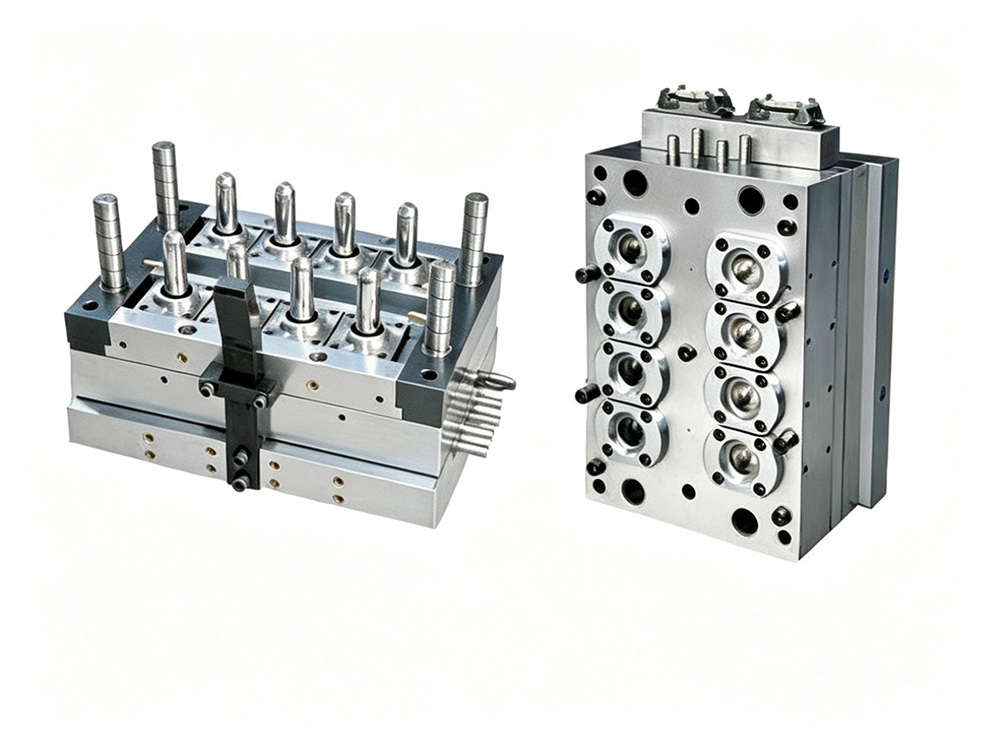
Preform quality emerges from the seamless integration of two distinct engineering domains: the hot runner system that delivers molten polymer at precise temperature and pressure to every cavity, and the cold cavity structure that shapes and solidifies that polymer into dimensionally accurate preforms, and APEX has mastered both domains, recognizing that excellence in one cannot compensate for mediocrity in the other, that hot runner balance without cavity precision produces well-filled but dimensionally flawed preforms, while cavity precision without runner balance produces accurate but inconsistent preforms varying from cavity to cavity.
Hot Runner Balance: The Melt Distribution Science
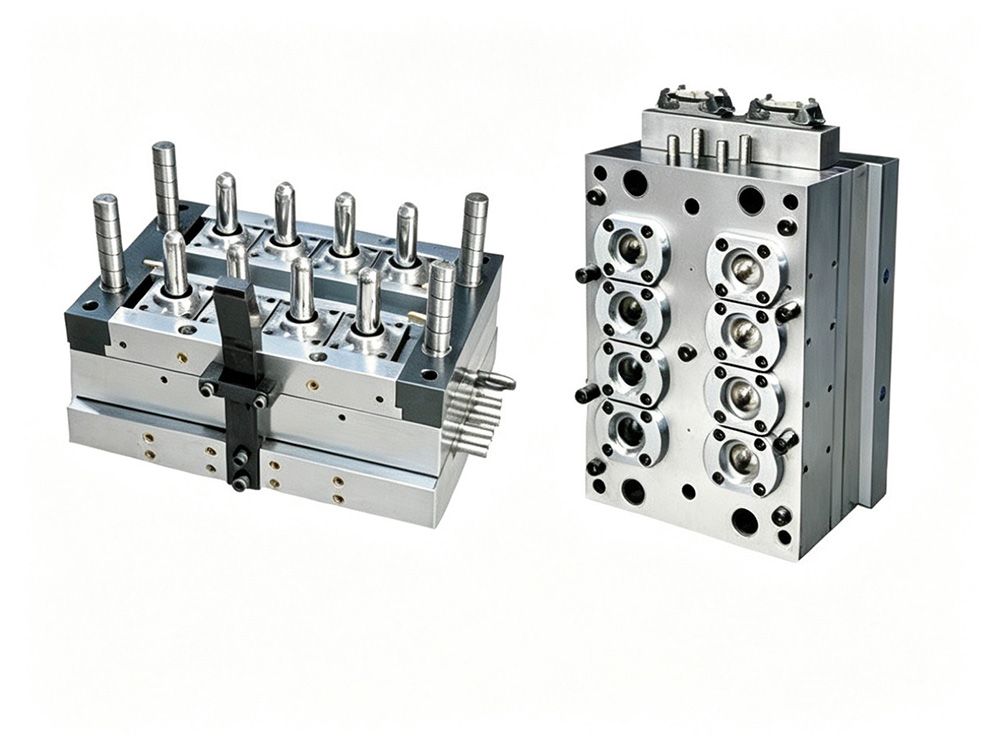
Balanced hot runner performance means that every cavity receives identical material at identical temperature, pressure, and fill velocity, regardless of cavity position within the mold or distance from the injection point, and APEX achieves this through geometrically balanced manifold designs where melt flow paths to every cavity share identical length, diameter, and flow resistance characteristics, eliminating the preferential filling patterns that cause cavity-to-cavity variation in preform weight, wall thickness, and material properties.
The Consequences of Runner Imbalance
When hot runner balance falls short of perfection, some cavities fill faster than others, some receive hotter material, some experience higher packing pressure, and the resulting preform variation manifests as weight differences, dimensional inconsistency, and material property variation that frustrates blow process optimization, increases scrap rates, and ultimately produces bottles with inconsistent quality that damages brand reputation in competitive consumer markets.
Manifold Geometry Engineered for Equilibrium
APEX hot runner manifolds are designed using advanced flow simulation software that models melt behavior through every channel, predicting pressure drops, shear rates, and residence times throughout the system, with manifold geometries optimized to deliver identical flow conditions to every nozzle regardless of whether the mold contains 32 cavities or 144 cavities, ensuring that balanced performance scales with cavitation count without compromise.
Thermal Uniformity Within the Hot Runner System
Temperature variations within the hot runner create melt viscosity differences that affect fill behavior even with geometrically balanced channels, and APEX implements individually controlled heating zones with precise temperature regulation, strategic heater placement eliminating cold spots at manifold connections, and thermal insulation preventing heat migration that would disturb the precise thermal balance essential for consistent cavity-to-cavity melt delivery.
Cold Cavity Precision: The Solidification Standard
Once melt enters the cavity, the cold side of the mold assumes responsibility for shaping that material into a dimensionally accurate preform, and APEX cold cavity precision encompasses cavity dimensional tolerances measured in single-digit microns, core-cavity concentricity maintained through precision assembly, surface finishes polished to SPI A1 mirror standards, and conformal cooling channels maintaining uniform thermal conditions that ensure consistent solidification across every square millimeter of cavity surface.
Cavity Dimensional Accuracy Across the Entire Array
In high-cavitation molds, cold cavity precision must be achieved identically in every cavity position, and APEX verifies this through individual cavity measurement using coordinate measuring machine technology, confirming that cavity diameters, core pin dimensions, and neck finish geometries match across the entire array within tolerance bands measured in microns, ensuring that the preform from cavity one and cavity one hundred forty-four exhibit identical dimensional characteristics.
The Interface Where Hot Meets Cold
The transition zone where molten polymer exits the hot runner nozzle and enters the cold cavity represents the critical interface between the two engineering domains, and APEX optimizes this transition through precise gate geometry, controlled thermal gradients that prevent premature freezing or excessive shear heating, and gate cooling designs that ensure clean gate break without compromising the melt delivery consistency achieved by the balanced hot runner system.
Cavity-to-Cavity Consistency as the Ultimate Metric
The combined effectiveness of hot runner balance and cold cavity precision is ultimately measured through cavity-to-cavity preform consistency, and APEX validates this through individual cavity sampling, weight measurement across all cavities, dimensional inspection of sampled preforms from every position, and statistical analysis confirming that variation remains within specified limits, demonstrating that the integration of both engineering domains has been achieved successfully.
Material-Specific Balance and Precision Optimization
Different PET resin grades exhibit distinct flow behaviors and shrinkage characteristics that affect both hot runner balance and cold cavity precision requirements, and APEX tailors manifold geometry, temperature profiles, and cavity dimensions to match the specific characteristics of each customer's preferred material, whether processing standard bottle-grade PET, post-consumer recycled content, or specialty high-clarity formulations.
Thermal Isolation Between Hot and Cold Systems
Effective thermal isolation between the hot runner system operating at 280 degrees Celsius and the cold cavity system maintained at 10 to 15 degrees Celsius is essential for both systems to perform as designed, and APEX incorporates thermal insulation plates, air gaps, and minimal contact interfaces that prevent heat migration from disturbing either the precise temperature control of the hot runner or the cooling efficiency of the cold cavity structure.
Sustained Balance and Precision Across Mold Life
The hot runner balance and cold cavity precision engineered into APEX molds are designed for sustained performance across millions of cycles, with wear-resistant nozzle tips maintaining flow characteristics, corrosion-resistant cooling circuits preserving thermal uniformity, and robust mechanical systems preventing the progressive drift that degrades both melt delivery balance and cavity dimensional accuracy over extended production periods.
Validation Documentation for Both Performance Domains
Every APEX preform mold ships with comprehensive documentation covering both hot runner and cold cavity performance, including manifold balance verification data, individual cavity temperature profiling, cavity dimensional measurement reports, and cavity-to-cavity preform sampling results, providing customers with verified evidence that both engineering domains have achieved their specified performance standards.
The Economic Value of Dual-Domain Excellence
Preform molds that achieve both hot runner balance and cold cavity precision deliver economic value through reduced cavity-to-cavity variation minimizing scrap, predictable production output enabling reliable supply chain planning, consistent preform quality reducing downstream blowing failures, and sustained performance extending intervals between major maintenance events, all contributing to lower total cost of ownership and higher return on tooling investment.
Partner with APEX for Integrated Mold Performance
For preform manufacturers who understand that hot runner balance and cold cavity precision represent inseparable requirements for consistent preform quality, APEX molds deliver the integrated engineering excellence that ensures both domains perform at their peak, producing identical preforms from every cavity, in every cycle, throughout the complete operational lifespan of the mold.