
Gate Vestige So Minimal, It's Practically Invisible
17 2026/6
Gate Vestige So Minimal, It's Practically Invisible
The Gate Vestige Challenge
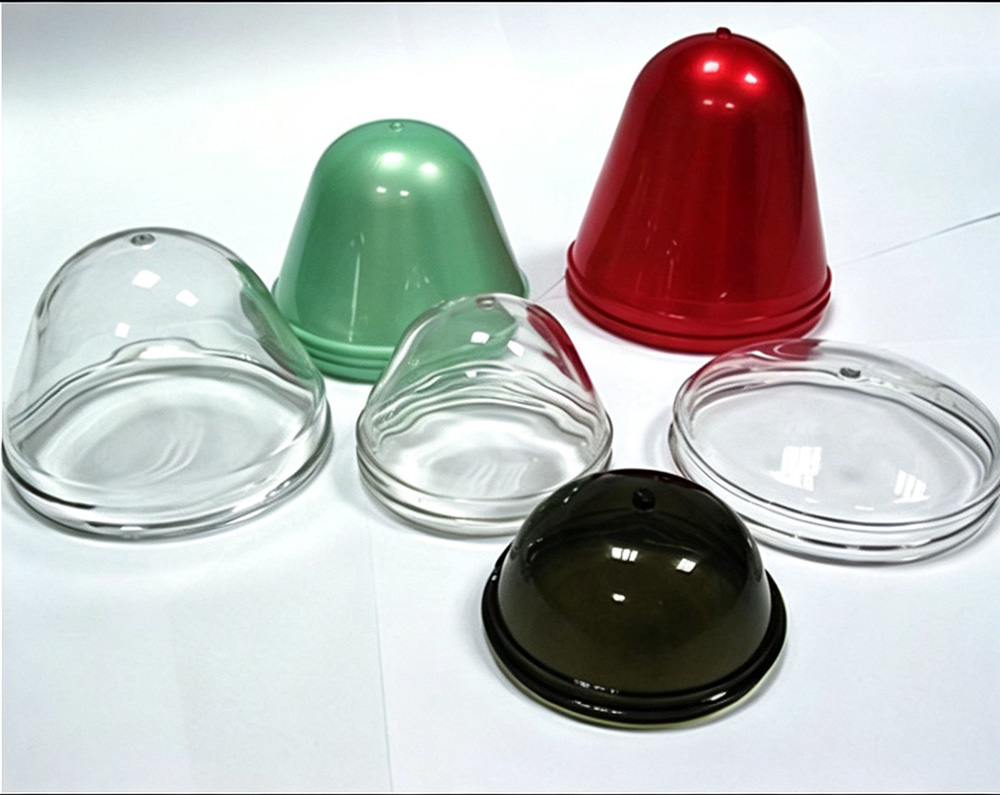
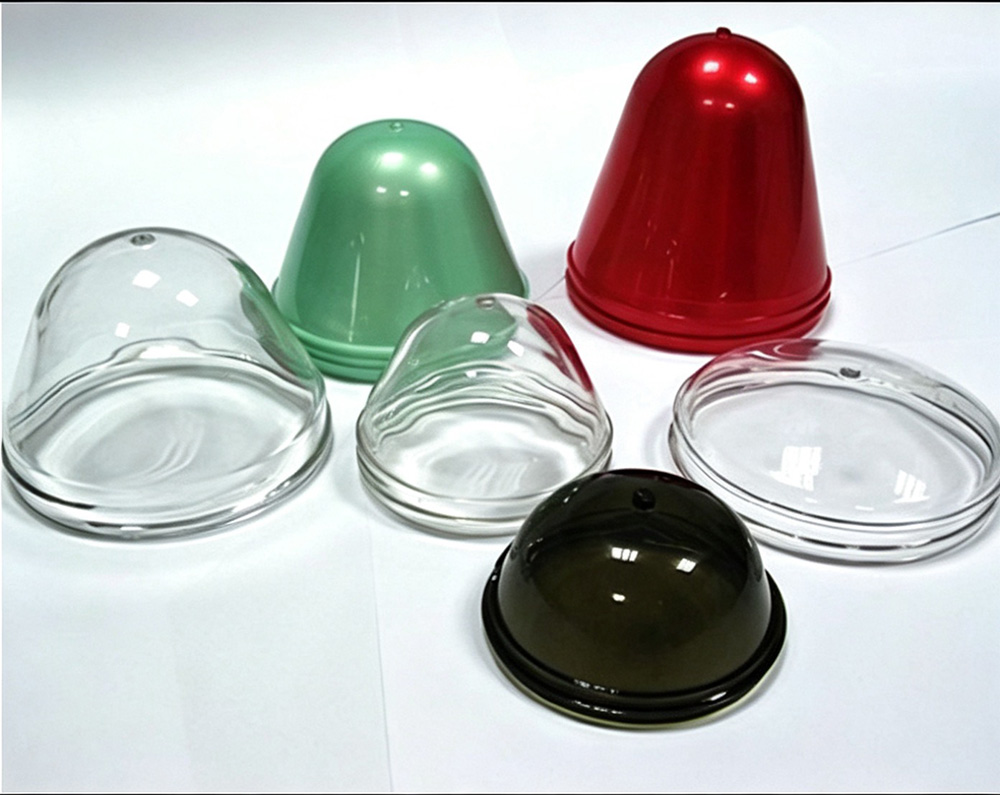
Every injection-molded preform bears a small mark at the point where molten PET entered the cavity, a vestige of the gate that can range from an almost imperceptible surface feature to a visible protrusion that affects preform aesthetics, disturbs downstream handling, and creates blowing irregularities, and APEX has pursued gate vestige minimization with relentless engineering focus, achieving results so close to invisible that preforms emerge appearing as though material simply materialized within the cavity without any entry point at all.
Why Gate Vestige Matters
The gate vestige sits at the very bottom of every preform, exactly where the injection point delivers material into the cavity, and excessive vestige creates multiple problems: it mars the visual appearance of clear preforms intended for premium water bottles, it creates a stress concentration point during blowing that can initiate rupture, it interferes with preform handling in automated feeding systems, and it transfers through to the blown bottle base where consumers may notice an irregular surface marking on an otherwise flawless container.
The Anatomy of Minimal Vestige
Achieving gate vestige so minimal it becomes practically invisible requires simultaneous control over multiple factors: gate diameter optimized for clean material separation, gate land length precisely machined to control shear, thermal conditions at the gate tip maintaining appropriate polymer temperature for clean break, and ejection timing coordinated with solidification state to ensure the preform separates cleanly without stretching or tearing residual material from the gate area.
Precision Gate Geometry as the Starting Point
Gate vestige begins with gate geometry, the diameter, land length, and approach angle that collectively determine how material enters the cavity and how it separates during ejection, and APEX machines gate features to micron-level precision, with gate diameters tailored to preform weight and material viscosity, land lengths optimized for clean break characteristics, and approach angles designed to minimize pressure drop while preserving gate integrity throughout millions of cycles.
Thermal Control at the Gate Tip
The gate region represents the thermal interface where the hot runner system at 280 degrees Celsius meets the cold cavity at 10 to 15 degrees Celsius, and managing this extreme temperature gradient is essential for clean gate break, with excessive cooling freezing material before complete separation, insufficient cooling leaving material too soft and prone to stretching, and APEX precision gate cooling designs maintain the exact thermal conditions at the gate tip that produce consistent, clean separation cycle after cycle.
Material-Specific Gate Optimization
Different PET resin grades exhibit distinct flow and solidification behaviors that affect gate vestige formation, with higher intrinsic viscosity materials behaving differently during gate break than lower IV grades, recycled content affecting separation characteristics, and specialty resins requiring adjusted thermal conditions, and APEX optimizes gate geometry and thermal profiles for each specific material formulation to achieve minimal vestige regardless of resin selection.
Gate Vestige Consistency Across All Cavities
In high-cavitation molds, minimal gate vestige must be achieved identically in every cavity, because even one cavity producing excessive vestige contaminates downstream handling systems, creates blowing inconsistencies, and forces quality inspection interventions, and APEX verifies gate vestige uniformity through individual cavity preform sampling and visual inspection under standardized lighting, confirming consistent minimal vestige across the entire cavity array.
The Relationship Between Gate Vestige and Blowing Quality
Excessive gate vestige creates a material accumulation at the preform base that disturbs the stretch and blow sequence, potentially causing off-center gate positioning in the blown bottle base, irregular material distribution around the base region, and in severe cases, base burst during blowing, and APEX minimal gate vestige eliminates these blowing complications, contributing to the consistent container quality that downstream operations demand.
Gate Vestige in Lightweight Applications
As preform weights decrease, gate vestige becomes proportionally more significant relative to overall preform dimensions, making minimization progressively more critical in lightweight designs where even small vestiges appear proportionally larger and create more significant stress concentration effects, and APEX gate engineering supports the most aggressive lightweighting initiatives with vestige characteristics appropriate for ultra-thin preform geometries.
Visual Inspection Standards and Validation
APEX validates gate vestige quality through standardized visual inspection protocols, examining sampled preforms under controlled lighting conditions, comparing gate vestige dimensions against specification limits, and documenting results with high-resolution imaging, ensuring that every mold delivers the practically invisible gate vestige that defines premium preform quality.
The Consumer Experience Connection
While gate vestige may seem an obscure technical detail, it connects directly to consumer experience when excessive vestige transfers through to visible bottle base marks, creates handling issues in automated vending equipment, or causes base stability problems on retail shelves, and APEX minimal gate vestige engineering protects the consumer experience by eliminating these potential quality detractors at their injection molding source.
Sustained Gate Quality Across Mold Life
The gate features that produce minimal vestige are subject to wear from continuous polymer flow and repeated gate break events, and APEX protects sustained gate quality through wear-resistant gate insert materials, optimized processing parameters that minimize gate erosion, and documented inspection frequencies that monitor gate condition throughout the mold's operational lifespan, with replacement protocols for gate inserts when wear eventually approaches quality thresholds.
Gate Vestige Documentation and Measurement
Every APEX preform mold ships with gate vestige documentation including dimensional measurements from sampled preforms, visual comparison images against reference standards, and recommended process parameters for maintaining minimal vestige, providing customers with verified gate quality data and operational guidance for sustaining that quality throughout production.
The Engineering Discipline of Near-Invisibility
Achieving gate vestige so minimal it becomes practically invisible represents the culmination of precision machining, thermal control expertise, material science knowledge, and quality verification discipline, and APEX applies this integrated engineering approach to every preform mold produced, recognizing that the near-invisibility of a properly engineered gate vestige speaks volumes about the overall quality of the mold that produced it.
Partner with APEX for Near-Invisible Gate Quality
For preform manufacturers and bottle brands who understand that quality resides in details invisible to casual observation but critically important to production performance and consumer satisfaction, APEX preform molds deliver gate vestige so minimal it's practically invisible, the mark of precision tooling engineered to the highest standards of injection mold craftsmanship.